The Norwegian Metrology Service (Justervesenet) receives inquiries from manufacturers and operators of charging stations. What are the requirements for charging stations in Norway?
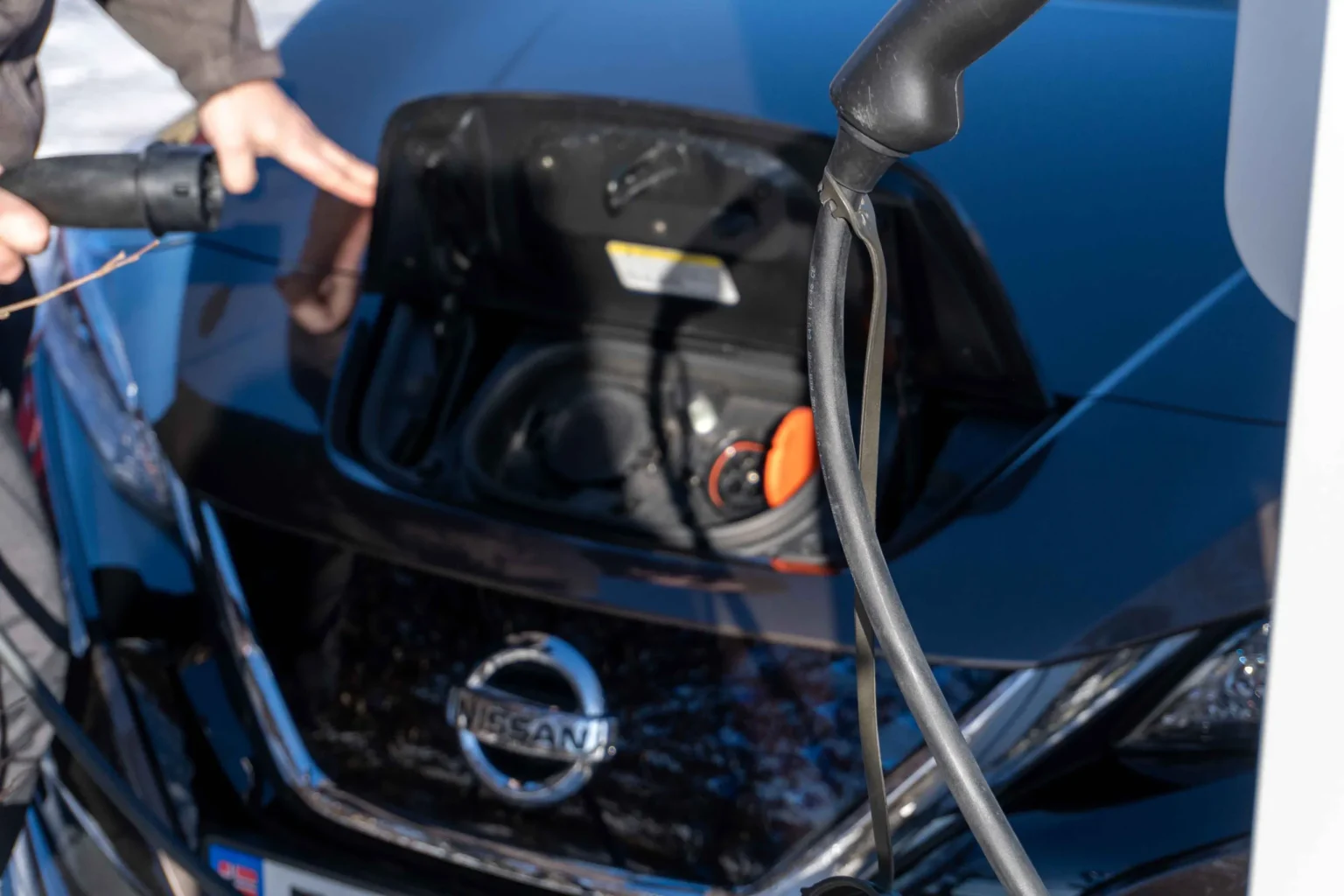
In Norway, requirements are set for the energy meter in such installations, not for the charging station as a whole system. Detailed requirements for energy measurement are set out in the Regulation on requirements for electricity meters (the Electricity Meter Regulation). There is a requirement that such meters must have MID conformity assessment if they are sold after 01 January 2025. It is specified that electricity meters used to measure electricity supplied to electric vehicles in commercial contexts, but sold before 01 January 2025, may be used without conformity assessment. The requirement is not retroactive.
The Electricity Meter Regulation sets accuracy requirements for energy measurement, regardless of whether a conformity assessment is in place or not. This means that all measurement of electricity supplied to electric vehicles in Norway must meet specific accuracy requirements laid down in the Electricity Meter Regulation.
Justervesenet often receives questions about whether the requirement for conformity-assessed electricity meters applies to charging stations in housing cooperatives and condominiums. In such cases, the total amount of energy is measured by conformity-assessed electricity meters owned by a grid company.
The question concerns who is responsible for the internal distribution of energy within the housing cooperative or condominium. Justervesenet considers that if discrepancies between the total amount of energy delivered by the grid company and the actual energy used by residents are distributed through shared costs, there is no requirement for conformity-assessed sub‑meters.
However, it has been observed that there are various business models within such systems. Some operators offer invoicing of measured energy to consumers using the Open Charge Point Protocol (OCPP).
Justervesenet considers that certain business models involving lending, rental, or leasing combined with the sale of electricity may be regarded as commercial solutions. This applies in particular if the model involves direct invoicing per consumer, in the same way as commercial charging services elsewhere. Such models cannot therefore be regarded as simple cost allocation, and requirements for conformity‑assessed electricity meters may apply.
At European level, changes to the Measuring Instruments Directive (MID) for energy measurement in charging stations are being planned. Some Member States believe that the entire charging station should be regulated as a measuring system, and detailed regulations have been proposed to cover this. Norway and other countries are working to limit the proposed changes so that they apply only to energy measurement.
In this context, Norway, together with Iceland and Liechtenstein, has contributed to an EEA EFTA comment as input to the decision‑making process in the EU. In the comment, we express concern that extending regulation to cover entire charging stations could lead to increased costs, hinder innovation, and delay the rollout of charging infrastructure. We also call for a systematic impact assessment before such extensive changes are introduced into the directive. The EFTA countries emphasize the importance of a balanced approach that ensures accurate measurements without creating unnecessary regulatory burdens. You can read more about the EEA EFTA comment here.
Any changes to the directive will in time be reflected in the Electricity Meter Regulation.
As mentioned, the Regulation on requirements for electricity meters requires the installation of MID conformity‑assessed electricity meters in charging stations from 01 January 2025. In connection with possible changes to the MID as described above, a transitional period is expected for requirements related to energy measurement in charging stations. During this transitional period, all countries in the EU internal market are expected to accept national approvals.
Justervesenet will closely monitor developments and make the necessary adjustments to the Regulation on requirements for electricity meters. This may include allowing meters with national approvals from other EU/EEA countries to be used, provided they offer at least the same level of protection as the MID requirements. Until changes to the MID are clarified and the Electricity Meter Regulation is updated, we will therefore consider electricity meters with national approvals from EU and EEA countries to meet the requirements, as long as it can be documented that the quality of the measurements is at a level equivalent to the MID requirements.
Contact: Robert Hughes & Eli Mogstad Ranger
Telefon:
64 84 84 84
E-post:
postmottak@justervesenet.no
Kontaktskjema:
Fyll ut vårt kontaktskjema, så svarer vi så raskt vi kan.
Gå til kontaktskjema
